


Pain is a complex topic, as it's subjective and depends on individual pain thresholds. However, one thing is hard to argue with: pain is never pleasant (unless you're a masochist). It's difficult to ignore, and it affects not only your physical well-being but also your mental state, making you irritable and nervous.
When you're experiencing certain health issues, it can be frustrating to feel like others don't understand how much pain you're in. Well, if your condition is one of Top 20 Types of Severe Pain, If you're considering the symptoms a person can tolerate, you're certainly not exaggerating the extent of your suffering. The list was compiled by specialists from the National Health Service (NHS) in England. All illnesses are ranked in no particular order.
20. Endometriosis
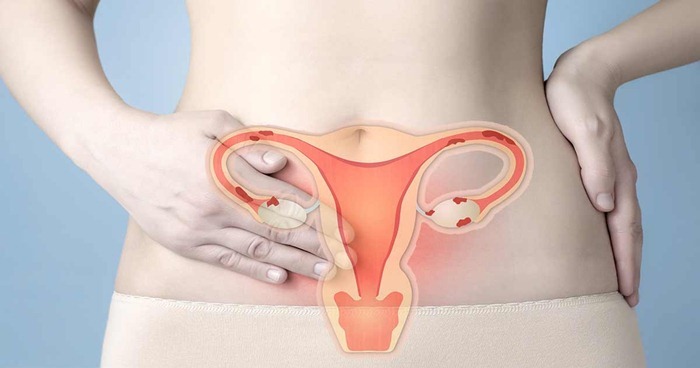 This condition, statistically speaking, affects one in 10 women worldwide. Endometriosis occurs when the tissue that lines the uterus (called the endometrium) grows and extends beyond its boundaries. Under favorable conditions, endometriosis can also occur outside the reproductive system, for example, in the navel.
Its most bothersome symptoms include pelvic pain, pain during menstruation, and pain during and after sex.
19. Cluster headaches
This specific type of headache occurs on one side of the head, usually around the eyes. The NHS classifies the pain as "very severe," and we'd add that this condition is sometimes referred to as "suicide headaches." Because people who suffer from cluster headaches are willing to take their own lives to escape the excruciating pain.
18. Capsulitis
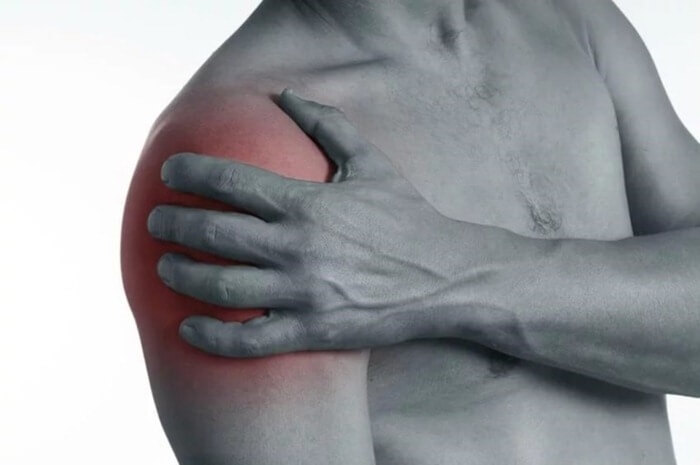 Also known as "frozen shoulder," this condition occurs when the joint becomes so stiff and rigid that basic movements, such as raising the arm, are virtually impossible. Capsulitis is common in people with diabetes.
17. Broken bones
 A bone fracture doesn't always cause excruciating pain, and there aren't even always any outward signs of injury, such as significant swelling. However, most often, a bone fracture is accompanied by such discomfort that victims literally howl and writhe.
A broken bone can heal, but the older you are and the larger the bone, the longer it will take to heal.
16. Shingles
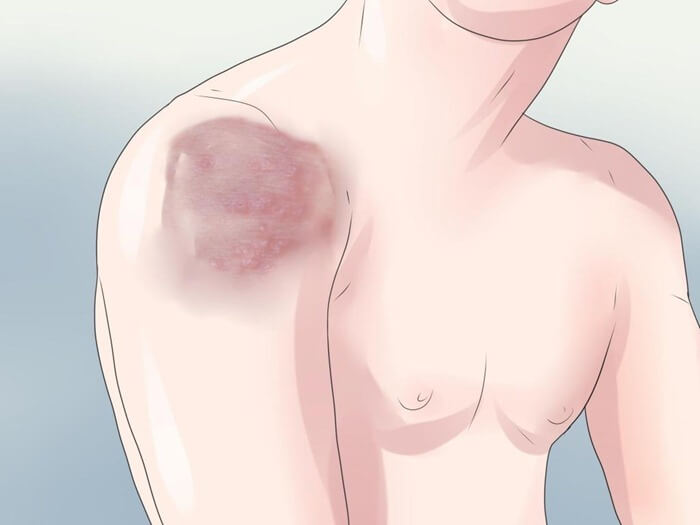 One type of herpes manifests as a rash or blisters that follow the course of nerves. It causes a severe burning or itching sensation, as well as pain even with the lightest touch. Interestingly, shingles can also cause lower back pain, seemingly unrelated to the disease.
15. Fibromyalgia
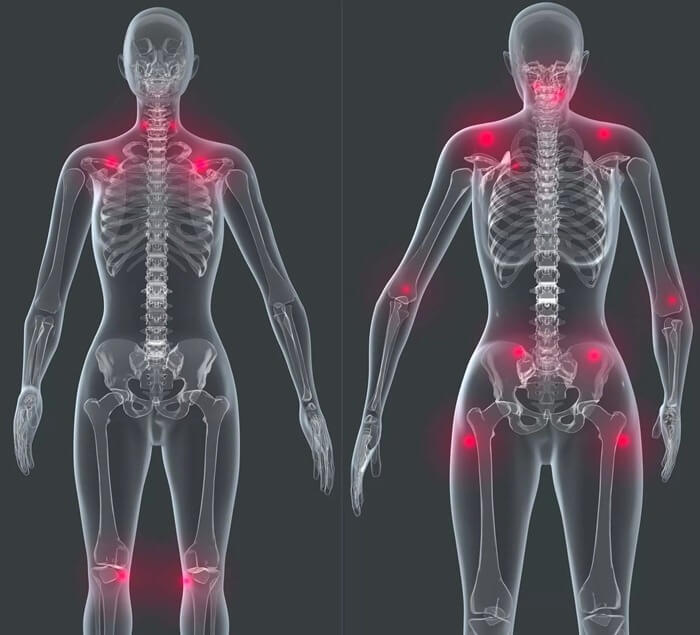 This is a long-term condition that causes pain throughout the body. It affects women more often than men. Fibromyalgia is difficult to diagnose because the bones, joints, muscles, and ligaments affected are usually not damaged, but simply dysfunctional. Lady Gaga suffers from fibromyalgia and has spoken extensively about what it's like to live with it.
14. Migraine
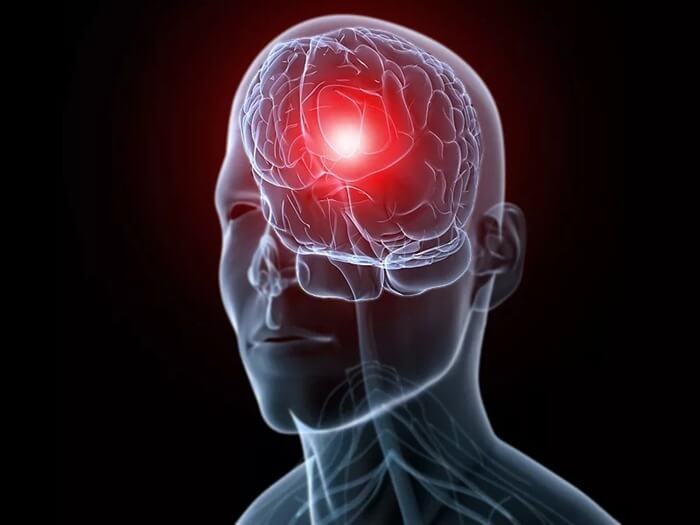 Those who have experienced a migraine at least once will never forget the terrifying sensation of throbbing pain on one side of the head, nausea, and sensitivity to light. Regular painkillers and popular sedatives don't always help with migraines. All that remains is to lie down in a dark, quiet place and wait for the attack to pass.
13. Complex regional pain syndrome (CRPS)
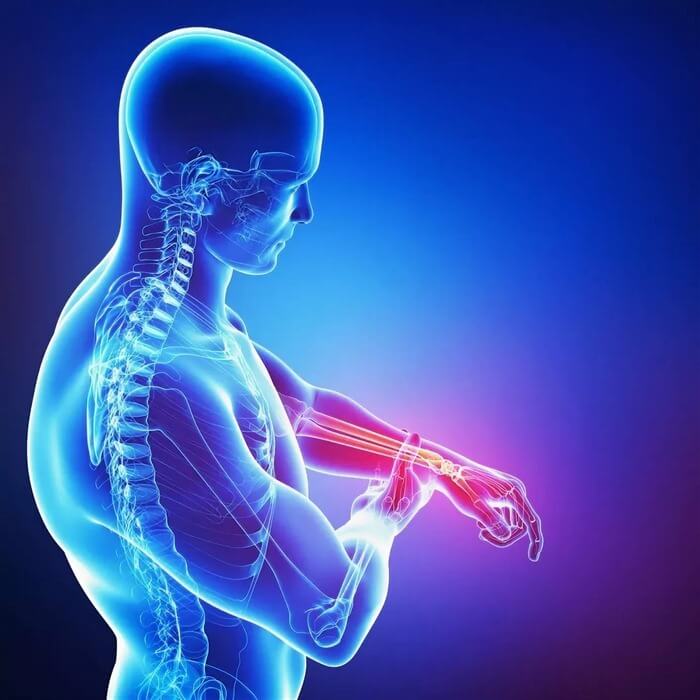 Characterized by severe and prolonged pain that can occur after a bone fracture, burn, or cut. The pain, as described by the NHS, is "constant and intense" and often "completely out of proportion to the severity of the original injury.".
12. Displacement of intervertebral discs
 Intervertebral discs are flat, circular cushions located between the vertebrae. They prevent them from rubbing against each other. At the center of each disc is a gelatinous mass called the nucleus pulposus, surrounded by a dense fibrous ring.
Displaced discs are a common cause of back problems, such as pain when moving, playing sports, and even coughing.
11. Heart attack
 This life-threatening condition is typically accompanied by pain in the center of the chest, which can feel like heaviness, tightness, or squeezing. Some people experience pain that extends to the jaw, neck, back, arms, or abdomen. In some, less common cases, diabetics may experience a heart attack without actually feeling pain due to nerve damage caused by their condition.
10. Sciatica
 An excruciating, aching pain that radiates down the leg occurs when the sciatic nerve (the longest nerve in the body) is pinched or damaged as a result of a back injury. Patients with sciatica typically don't experience severe back pain, but instead feel it in the lower back (and lower back), as well as in the legs, all the way down to the calves.
9. Sickle cell anemia
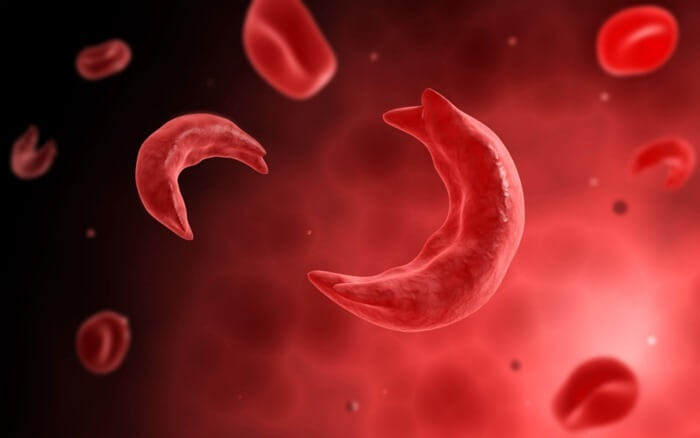 A hereditary disorder passed down from parents to children causes a "pain crisis" localized in the bones and joints. Pain flare-ups can occur over several weeks, sometimes lasting up to seven days at a time.
8. Appendicitis
 No one thinks about the small appendix, the small appendix, until it makes itself known. Inflammation of the appendix is called appendicitis and is treated only surgically.
Appendicitis pain typically begins in the center of the stomach and then shifts to the lower right side of the abdomen, where it intensifies. It is one of the most severe types of pain in humans. It may also affect mammals, which also have appendices, but they won't report it.
Interestingly, the appendix was once considered a completely useless vestige, inherited from our ancestors. However, modern doctors have discovered that this vermiform appendix still plays a beneficial role in the body, playing a role in the formation of intestinal microflora, as well as in endocrine and immune processes. However, how exactly this happens remains unclear.
7. Kidney stones
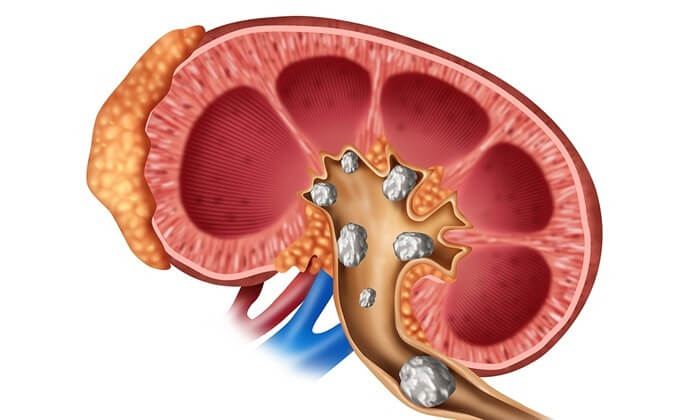 Until the kidney stone passes from the ureter, it will cause sharp, cramping pain in the lower abdomen or lower back. Some compare this sensation to "cutting off the frenulum of the penis with a dull knife.".
6. Arthritis
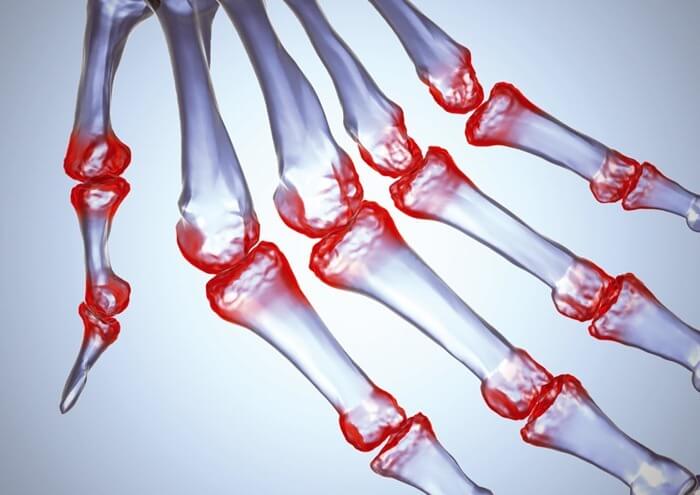 The disease develops primarily in older people and causes constant joint pain—usually in the knees, hips, and wrists. The pain persists even at night; in fact, it intensifies as the joints "warm up" during the day from movement and become less painful.
5. Acute pancreatitis
 When the pancreas is damaged by inflammation and stops functioning properly, the condition is called acute pancreatitis. Patients experience a dull, aching abdominal pain, which is most severe after eating fatty foods.
4. Gout
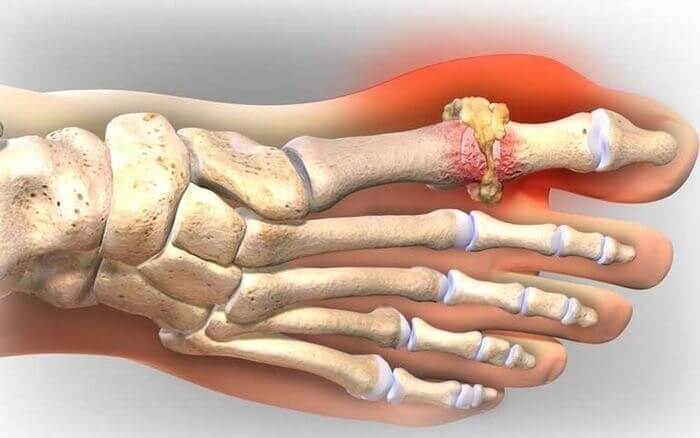 The disease occurs when uric acid levels are high, often as a result of consuming certain foods. Gout causes joint pain, usually at the base of the big toe.
3. Stomach ulcer
 This condition causes a hole in the lining of the stomach, causing a burning pain in the abdomen, usually between meals.
2. Pain after surgery
 Surgery is an invasive procedure, so it's no surprise that it can cause severe pain. Although its location and intensity vary depending on the type of procedure, the NHS reminds patients that "too much pain after surgery is not a good thing," and there's no need to heroically endure it. The best solution is to seek medical help.
1. Trigeminal neuralgia
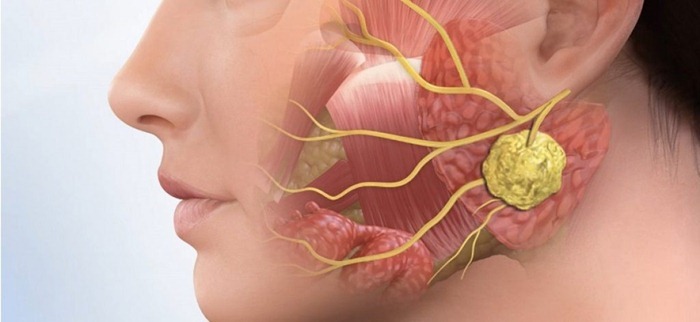 The most severe pain in humans is topped by a condition called Fothergill's disease, characterized by sudden, intense, shooting facial pain. Although the attacks are typically short-lived—lasting from a few seconds to two minutes—they can occur up to 100 times a day. According to anesthesiologist David Yeomans of Stanford University, patients consider trigeminal neuralgia the worst kind of pain in the world. Some even stop brushing their teeth because this simple procedure causes pain comparable, according to sufferers, to being struck by lightning in the face.
Other doctors' opinions on pain ratings
Not all doctors agree on the most severe pain, according to NHS data. Gary Leroy, a family physician in Dayton, Ohio, told The Independent that the pain conditions listed are indeed severe and common. However, Leroy recommended adding two other conditions to the list: back pain, as "the most common thing we see in primary care," and "toothache.".
According to him, "chronic low back pain affects 80 percent of the world's population at some point in their lives." Toothaches are also common and can be extremely painful, especially if a nerve is damaged.
It's also surprising that the NHS list doesn't include the pain women experience during childbirth. It's unlikely to be any less intense or unpleasant than passing a kidney stone or suffering a stomach ulcer.