

The constant operation of machinery and tractors is inextricably linked to the use of various petroleum products, the quality of which determines the reliability and performance of the equipment and vehicles. It is recommended to store lubricants, antifreeze, and oils in a special room with a moderate temperature. To properly organize the storage system, it is necessary to follow established standards and recommendations.
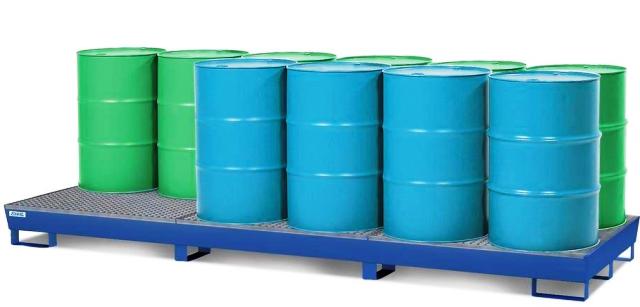
Storage system requirements
Modern storage facilities for fuels and lubricants are organized in such a way that they meet a number of important requirements:
- easy and fast access for transport;
- prompt delivery to the main place of use;
- transport maneuvers during unloading;
- access for inventory;
- access to stored products, which are closed in a container, for pouring oil in a clean, dust-free place;
- places for short-term or long-term storage of empty containers.
There should be unloading areas next to the storage area where all the necessary equipment for work is installed.
Features and types of storage
Open and closed storage of lubricants can be organized at enterprises or special stations.
Outside the building
Most of the compounds used are unaffected by weather, unless they are extreme or subject to water contamination. This opens the door to short-term outdoor storage of the lubricant. If the temperature drops below 0°C, it will be necessary to protect products that are sensitive to temperature fluctuations.
It is prohibited to store refrigeration and medical oils, lubricants, clean cutting fluids, and AeroShell fluids outdoors.
Storage tanks should be placed on specially prepared platforms, not stored on the ground. It is recommended to store barrels under cover, opening them beforehand. Used tanks should be thoroughly inspected for corrosion, leaks at seams, and seals. Markings on the surface should be regularly checked. Particular care should be taken when storing small barrels and buckets, which cannot withstand harsh climates.
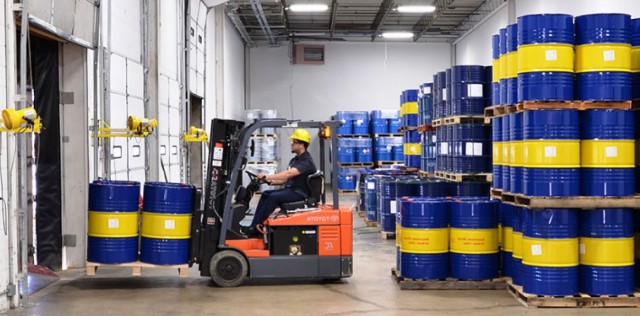
In the building
This type of storage is becoming preferable. If warehouse space is limited, it should be used for small containers or dedicated space for storing special compounds.