


Every year, more than a thousand Russian citizens die in the workplace. Rosstat processed the data and discovered an interesting pattern.
Surprisingly, professions that most people consider inherently risky, such as police officers and doctors, were not included on the list. As it turns out, everyday jobs that might be considered easy are actually quite dangerous. Moreover, these jobs are often low-paying.
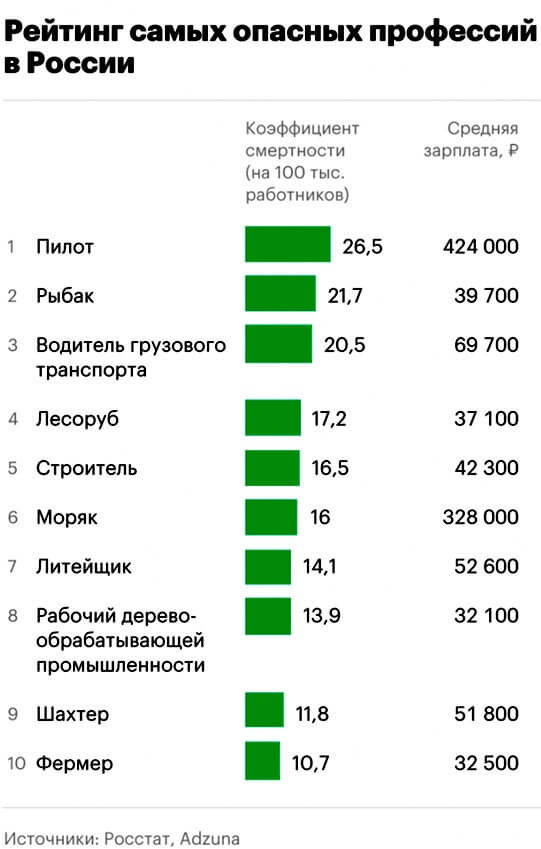
Find out which professions ordinary Russians should avoid in the ranking of the most dangerous professions in Russia, according to Rosstat and the analytical company Adzuna.
10. Agricultural workers
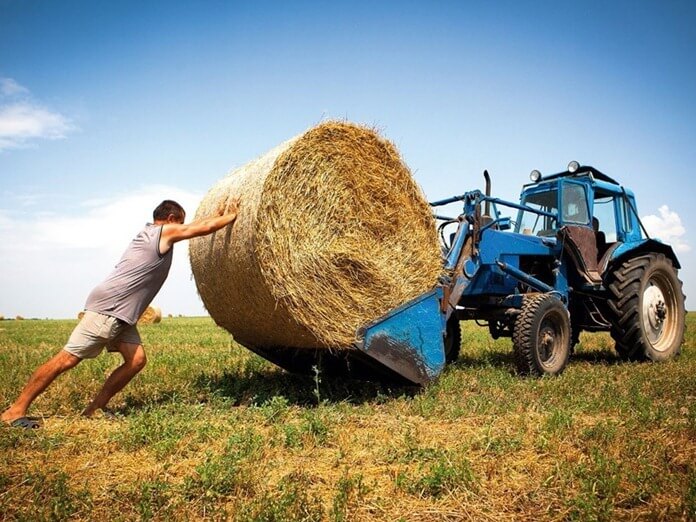
Death rate (per 100 thousand people): 10,7
High levels of risk to life correlate weakly with wages: almost all positions in the survey are poorly paid. But agricultural workers suffer the most – the average salary in this field rarely exceeds 35,000 rubles.
Agriculture is a mechanized industry with a lot of heavy equipment. Often, one wrong move can leave a worker disabled, or worse. I'll also add that more than half of the tractors in Russia aren't equipped with rollover protection.
Pesticides, which are liberally applied to crops every year, are also harmful to human health, as are large animals and high temperatures, since agricultural workers are forced to work even on the hottest days. And this isn't just in Russia—the recent heat wave in South Korea caused increased mortality among field workers, especially the elderly.
9. Miners
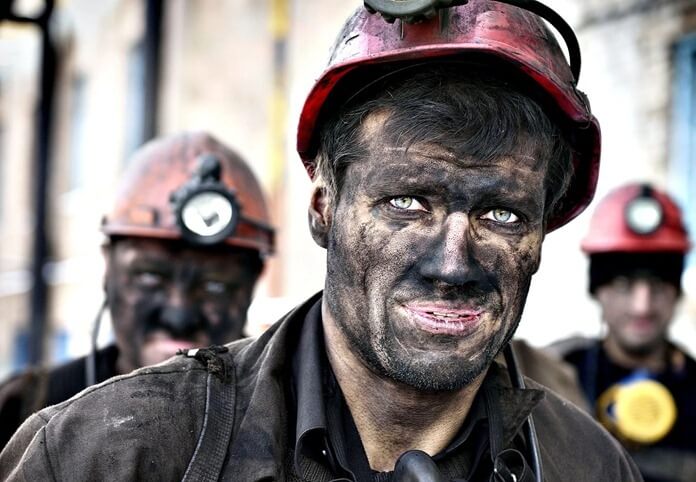
Mortality rate: 11,8
Miners spend most of their time underground, where the air contains suspended rock particles, gases, engine exhaust, and chemicals. Add to this the noise, vibration, high air temperatures, pressure surges, and background radiation.
These factors may vary depending on the mine's depth, ore composition, and mining methods, but they are always present to some degree. And, of course, there's the constant threat of rock falls and gas emissions—we've all read about the latest fatal tragedy in the news. Yet, miners don't earn much—the average salary in the region is about 60,000 rubles.
8. Woodworking workers
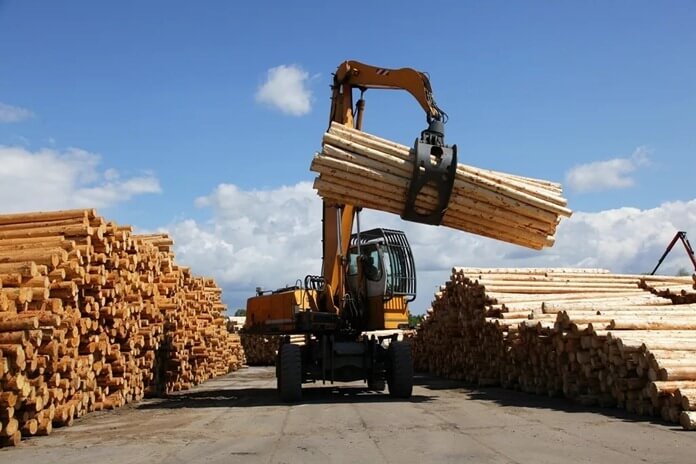
Mortality rate: 13,9
Woodworking machines are highly hazardous equipment. High voltage currents, moving parts that can easily snag clothing, and sharp tools that can easily cut both wood and human flesh—all of this makes a woodworking shop a dangerous area. Add to this the risk of fires: when wood is processed or moved on conveyors, fine wood dust is emitted into the air, which easily ignites.
At the same time, the salaries of operators on automatic and semi-automated woodworking lines are among the lowest in the ranking, along with agricultural workers: about 40,000 rubles.
7. Foundrymen

Mortality rate: 14,1
There are several harmful factors in the foundry industry:
- High dust levels lead to upper respiratory tract diseases.
- Constant overheating leads to excessive stress on the cardiovascular system.
- The use of magnesium in melting causes bright flashes that can cause blindness.
- Constant noise has a harmful effect not only on the ears, but also on the psyche.
- There's also hot metal that can spill, and the constant danger of getting a thermal burn, which even protective clothing won't protect against.
All this makes foundry production one of the most difficult.
Unfortunately, the salaries of foundry workers are not very high – although they are twice as high as those of loggers and agricultural workers, they still do not reach the level of a truck driver.
6. Sailors

Mortality rate: 16
There are many dangers at sea: a ship can run aground, a fire can break out, ships can collide with each other, weather conditions can be hot, and working with machinery, especially in the engine room, can be dangerous.
But at the same time, seafarers are the first exception on the list of the most difficult (and lowest-paid) professions. Sailors, especially officers on long-distance vessels, are well paid, especially compared to other professions. Their salaries are measured not in tens, but in hundreds of thousands.
The average seafarer's salary starts at 320,000 rubles, and competition for qualified personnel is fierce. According to Adzuna analysts, the highest salaries are typically found in areas where highly skilled personnel are needed and the labor market supply is limited. Therefore, even ordinary sailors receive a decent salary. Furthermore, seafarers' salaries are regulated internationally and overseen by the ITF, an international trade union.
5. Builders

Mortality rate: 16,5
Construction workers lead the world in the sad number of accidents at work – their number is twice as high as the number of deaths at work among miners (116 people) and agricultural workers (109 people), reaching 190 people.
And it's no surprise – the construction business combines outdoor activities in all weather conditions, working at heights, on moving structures, and handling heavy equipment and electricity. Falls from great heights and injuries from falling objects are common, and the constant exposure to rock or wood dust on construction sites can be detrimental to the respiratory system.
4. Lumberjacks

Mortality rate: 17,2
This category includes people engaged in felling trees, pruning trees, and logging truck drivers. The equipment is heavy and slow, and the driver is often simply unable to react to a danger to another person.
Chainsaws also contribute to the problem—statistically, they are responsible for approximately 30,000 accidents per year alone. A saw blade can cut wood and human flesh equally effectively, but a broken chain can slip off and cause injury.
Add to this the fall of trees and heavy branches in the wrong direction, and you will understand why lumberjacks are one of the most dangerous professions, not only in Russia, but in the world.
3. Truck drivers

Mortality rate: 20,5
Truck drivers are generally satisfied with their professional lives, believing they feel free and independent. Their only complaints include traffic jams, frequent absences from family, long waits during loading and unloading, and potential downtime.
Although statistics show that truck drivers generally drive more carefully than car owners (371,330 cases of truck driver error, 681,330 cases of car error), roads are a highly dangerous and hazardous environment. This is something we tend to forget when heading to work in the morning.
2. Fishermen of a fishing vessel
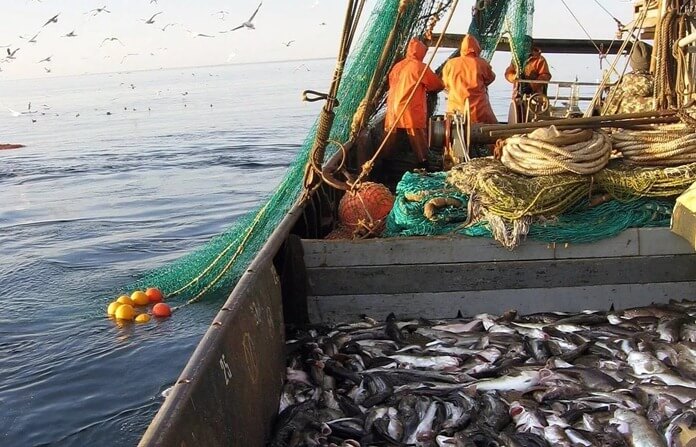
Mortality rate: 21,7
Although modern trawlers are equipped with the latest equipment, even the best electronics can sometimes be powerless against the elements. For example, at sea state 5-6, waves reach up to 4 meters high; such a wave can easily sweep a person into the sea. And if the storm is even stronger, the life of not only one person but the entire vessel is at risk. Even a "simple" fall into the sea in our northern latitudes can lead to immediate cardiac arrest – the water is icy. And if a person is completely submerged in such water, they can't be rescued within minutes.
Add to this the large marine animals that can become entangled in nets and thrash wildly, as well as the occupational disease of fishermen – arthritis, which manifests itself due to minor injuries, working with heavy equipment, rigging, tackle, and constant hypothermia.
1. Pilots
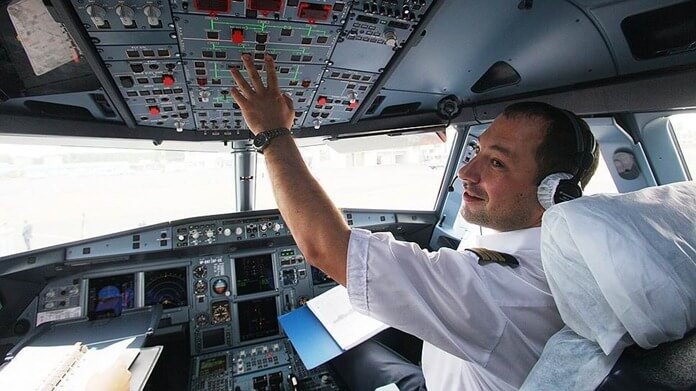
Mortality rate: 26,5
The second exception to the "dangerous and low-paying professions of 2023" rule is pilots. Qualified, experienced pilots are scarce, and they are well paid. Although the current situation has hit pilots' salaries, they still amount to hundreds of thousands of rubles—from 150,000 rubles to over 300,000 rubles.
In flight, pilots are responsible not only for their own lives but also for the lives of their passengers. And the dangers can be numerous – cabin fire, turbulence, decompression, equipment failure, human error in the form of terrorists or hijackers, air traffic control errors… It's probably best to end the list – after all, we all have to fly on airplanes from time to time.
The only slight consolation is the statistics from the International Civil Aviation Organization: there is only one accident per million flights.
How much does pay correlate with the danger of work?
Unfortunately, employers rarely pay extra for hazardous work. The labor market—like any other market—is largely regulated by supply and demand. The highest salaries are found in industries where competition for talent is fierce, forcing employers to offer ever-higher wages and favorable working conditions.
A classic example is airlines experiencing a severe shortage of pilots, especially experienced ones, due both to the successful recruitment of pilots by foreign airlines and to the significant growth of air travel in Russia. Incidentally, piloting was the most dangerous profession last year. However, most professions with high rates of workplace injuries and fatalities—construction workers, miners, logging workers, and others—earn salaries that are close to the national average.
What jobs are the most thankless from this point of view?«
Agricultural work, especially livestock farming, turned out to be the most thankless. According to Rosstat, agriculture remains one of the lowest-paying sectors, a fact confirmed by Adzuna.ru. Logging, wood processing, fishing, and hunting are also thankless.
How much do wages for hazardous occupations differ in Russia and abroad?
Comparing wages for hazardous occupations in Russia and the UK, the difference is significant in most cases. For example, the average monthly salary in agriculture in Russia is approximately 32,500 rubles, while in the UK it's just over 2,100 pounds (approximately 170,000 rubles).
The average salary for construction workers in Russia is approximately 42,000 rubles per month, while in the UK it's around 250,000 rubles (£3,130). Meanwhile, pilots in the UK earn only £351,000 more than their colleagues – 578,000 rubles (approximately £7,200) versus 420,000 rubles per month.