


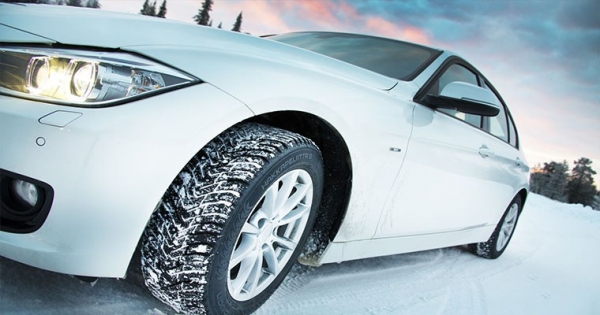
Choosing winter tires is one of the most important decisions a car owner makes before the cold weather sets in. Not only driving comfort but also road safety depend on them: the braking distance on ice with summer tires can be twice as long as with specialized winter tires. In Russia, where winter lasts from 4 to 7 months depending on the region, tire selection requires a thoughtful and individualized approach.
As of 2027, the market offers dozens of models from leading global and domestic manufacturers, but not all are equally effective in Russian conditions. Let's explore the different types of winter tires, the differences between studded and non-studded models, and what features to consider when purchasing.
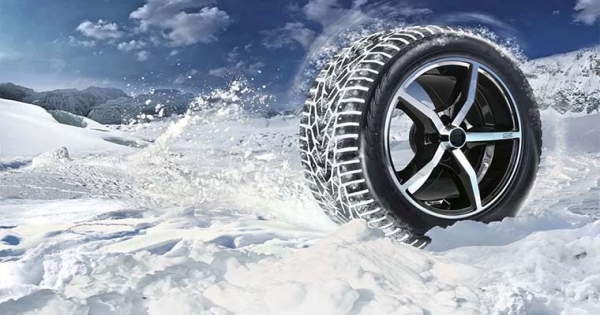
Types of winter tires: studded, friction, and "studded"«
All winter tires are divided into three main categories:
- Studded — equipped with metal or ceramic studs pressed into the tread;
- Non-studded (friction) - rely on a special rubber composition and a complex system of sipes;
- Studded - friction tires with ready-made holes for studs, which can be installed later (rarely used in everyday life).
Studded tires: for ice and northern regions
Studs provide excellent traction on icy surfaces, especially when starting and braking. They literally bite into the ice, making them indispensable in Siberia, the Far East, and the northern regions of Central Russia.
However, there are also disadvantages:
- increased noise on the asphalt;
- greater wear on the road surface (studs are prohibited in some EU countries);
- decreased efficiency on «clean» asphalt and wet roads compared to friction.
Modern studded tires are high-tech products: the studs have a multi-level design, are held in special sockets, and the tread is optimized for even load distribution.
Non-studded (friction) tires: for changeable weather
Friction tires are the choice of most city drivers. They work due to:
- soft rubber composition, remaining elastic at sub-zero temperatures;
- microlamellas — thousands of small cuts that «catch» snow and ice;
- deep drainage channels, preventing aquaplaning.
The friction is divided into two subtypes:
Designed for harsh winters with heavy snow and ice. The rubber is very soft, and the tread has multiple sipes and deep grooves. It performs excellently on ice and slush, but wears out faster on asphalt. Ideal for the Urals, Northwest, and Siberia.
European type
Optimized for moderate winters with frequent thaws, rain, and sleet. The rubber is slightly stiffer, and the tread has wide channels for water drainage. It handles ice less well, but is quieter and lasts longer on asphalt. Suitable for central Russia and southern regions.
Winter Tire Construction: What Makes It a "Winter Tire"«
Unlike their summer counterparts, winter tires have a number of design features:
- Rubber composition — soft, with the addition of silicon, silicates and polymers, maintaining elasticity at -30°C and below;
- Tread — deeper (8–10 mm for new tires), with a developed system of sipes and water-draining grooves;
- Frame - reinforced with steel cord for stability at high speed and during sharp maneuvers;
- Sidewalls - often thickened to protect against damage from snow banks and ruts.
Important: A winter tire loses its performance when the tread wears down to 4 mm. Even if the tire looks good enough to last another season, its safety will be compromised.
Top 10 Winter Tires 2027–2026: Current Models
Below - updated rating Based on tests by Za Rulem, Avtomankar, ADAC, Rostest, and reviews from Russian car owners. Prices are approximate (as of December 2027).
Non-studded tires
Nokian Hakkapeliitta R5
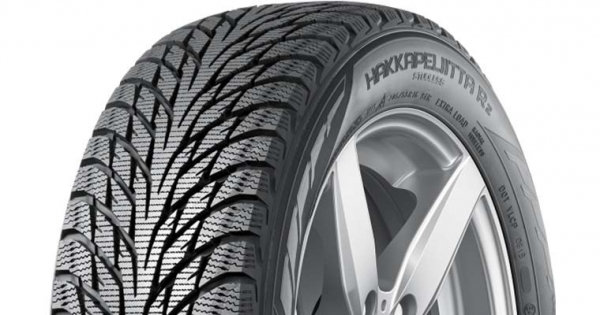
The flagship of the Scandinavian friction tire line. Excellent grip on ice thanks to Cryo Tech—a rubber compound containing ice crystals. Wear-resistant and quiet. Suitable for SUVs and passenger cars. Price: from 8,500 ₽.
Continental VikingContact 7
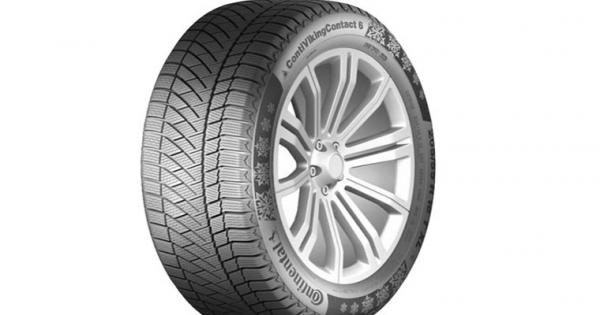
German engineering: silicone rubber, 3D sipes, asymmetrical tread. Excellent performance on wet snow and ice. Reduced rolling resistance saves fuel. Price: from 7,200 ₽.
Michelin X-Ice Snow
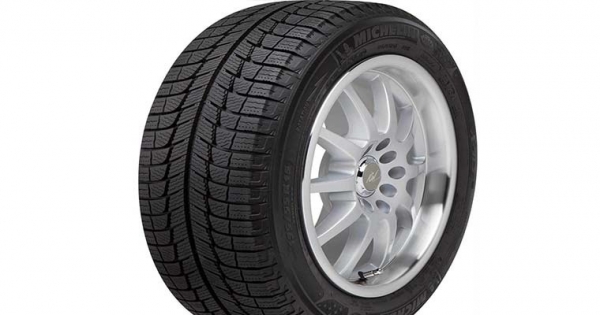
The successor to the X-Ice 3. The flexible tread pattern adapts to road surfaces. Ideal for cities with frequent thaws. High wear resistance. Price: from 9,000 ₽.
Goodyear Ultragrip Performance Gen-2
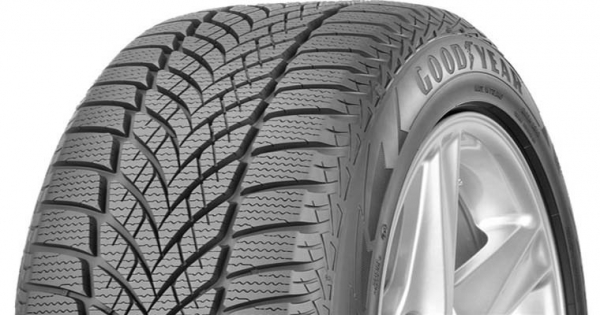
A versatile tire for central Russia. Excellent braking performance on wet and slushy roads. Low noise levels. Price: from 6,500 ₽.
Cordiant Snow Pro 3
A domestically developed tire adapted for Russian roads. A budget option with decent performance on snow and ice. Price: from 4,200 rubles.
Studded tires
Nokian Hakkapeliitta 10
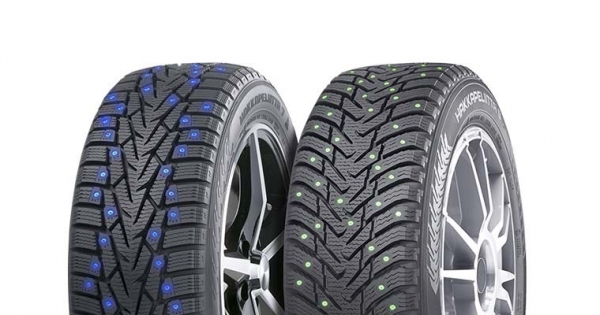
The latest model with Eco Stud 10 smart studs. Minimizes noise, maximizes traction, and saves fuel. Suitable for temperatures down to -40°C. Price: from 11,000 ₽.
Bridgestone Blizzak Spike-02
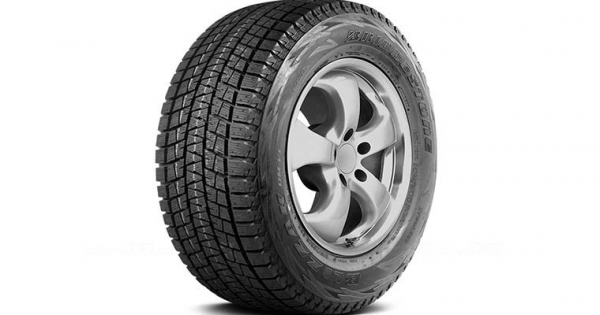
Japanese quality: a dual-layer tread with a porous surface that absorbs water from ice. Excellent handling. Price: from 9,500 rubles.
Continental IceContact 3
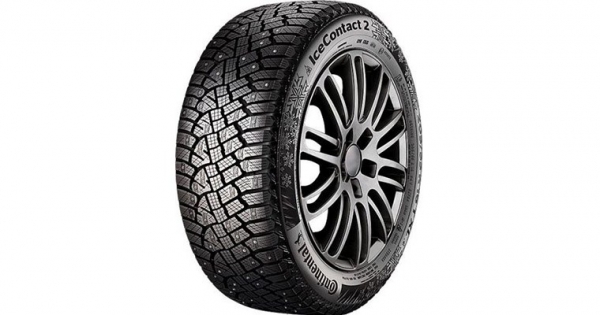
Deep grooves, tight stud placement, low wear. Reliable on ice and snow. Price: from 8,800 ₽.
Hankook Winter i*cept evo3 X (W330)
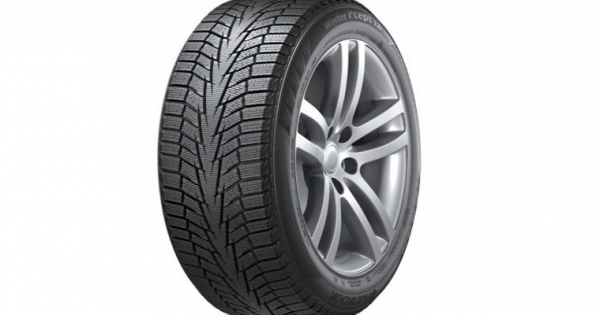
A Korean tire with a good balance of price and quality. 194 studs per wheel, reinforced sidewalls. Price: from 6,600 ₽.
Matador MP 92 Sibir Snow
A budget choice for regional markets. Reliable studs, good maneuverability. Made in Russia. Price: from 3,800 ₽.
New Products 2027–2026: What's New on the Market
Manufacturers continue to invest in winter technologies:
- Yokohama iceGUARD iG60 — rubber with a water-absorbing layer that improves grip on wet ice;
- Pirelli Winter Sottozero 3 — premium friction clutch for low-profile sports cars;
- Cordiant Polar 3 — studded tire with reinforced carcass for SUVs and crossovers.
How to choose tires for your region and driving style
- North, Siberia, Far East - studded or Scandinavian friction;
- Central Russia, Volga region - European friction or universal stud;
- South (Krasnodar, Rostov) - non-studded tires with an emphasis on wet roads;
- City driving — friction (quieter, more comfortable);
- Dacha, countryside, frequent driving on ruts - studs or off-road friction.
Important: Replacement dates and markings
From December 1 to March 1, winter tires are mandatory in Russia (Government Resolution No. 1399). Tires must be marked:
- «Snowflake (3PMSF) — international standard for winter tires;
- «"M+S" or "M&S"» — acceptable, but does not guarantee winter properties (better to choose with a «snowflake»).
It is prohibited to use tires with a remaining tread depth of less than 4 mm in winter.
Conclusion
Winter tires aren't just rubber; they're a comprehensive safety system. Don't skimp on them or choose based on "what's cheapest." It's better to invest in a quality tire once than to risk your health and vehicle every day. Consider the climate, driving style, and vehicle type—and you'll enjoy confidence, comfort, and safety even on the snowiest day.