

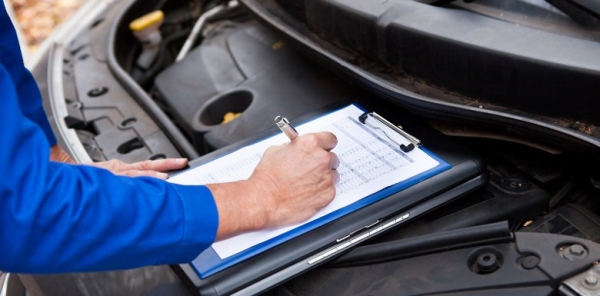
A vehicle inspection has long ceased to be a formality. Today, it directly impacts your eligibility for compulsory motor vehicle insurance, road safety, and even the legal consequences of an accident. If you don't have a valid vehicle inspection report, the insurance company has the right to refuse payment, and you may be found to be at fault in the accident, even if you didn't violate any traffic regulations.
New amendments to vehicle inspection regulations came into effect in December 2027. Let's look at what's changed by 2027, what vehicle requirements apply, and how to avoid mistakes that could result in your vehicle being disqualified from the inspection.
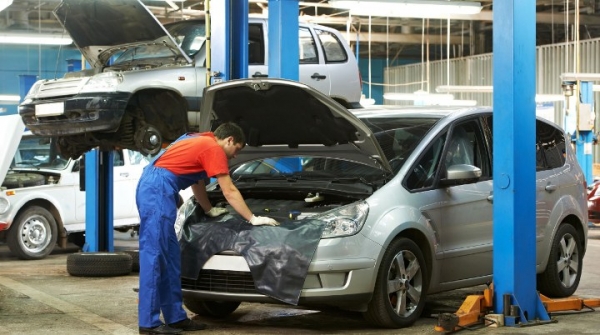
Key changes to vehicle inspections for 2027
Since 2023, the technical inspection procedure has been under strict control of Rostransnadzor, and since 2027, the responsibilities of operators and experts have been increased. The main change: a diagnostic card is now issued even if faults are detected. However, it clearly records all violations, and the vehicle is not permitted to operate until they are corrected.
This means that formally "buying" a vehicle inspection without actually undergoing it has become virtually impossible. The EAISTO (Unified Automated Information System for Vehicle Inspection) system records all stages of the inspection in real time, including photo and video footage.
What will be checked during a vehicle inspection in 2027?
The procedure includes a comprehensive diagnostic of the vehicle's key components and systems. The following is always checked:
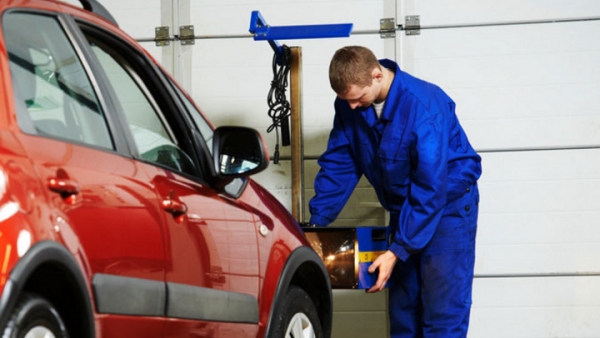
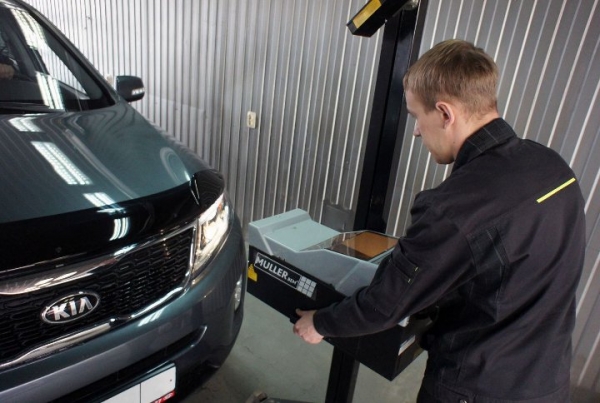
- Adjustment of headlights and fog lights - the angle of inclination and brightness of the light must comply with GOST;
- Steering condition - including steering gear play;
- Exhaust toxicity level - especially relevant for gasoline vehicles older than 2015;
- Performance of the braking system - including the parking and main circuits;
- Availability and compliance of the complete set with requirements - first aid kit, fire extinguisher, emergency stop sign;
- Operation of additional equipment if it affects safety (e.g. towbar, winch, etc.).
When a car will not be allowed for inspection
Even if you go to an accredited inspection center, you may be denied a vehicle inspection. Here are the main reasons:
- Unregistered design changes. Installing LPG equipment without making changes to the vehicle's title, installing a non-certified towbar, or installing a suspension lift are all grounds for refusal. Exceptions include factory options and configurations approved by the manufacturer.
- Lighting problems. Headlights must be clean, free of cracks, tinted films, or tinting. Even clear protective film can cause failure if it distorts the light.
- Tire mismatch. Winter and summer tires must not be mixed. If studded tires are used, they must be installed on all wheels. Mixed tread patterns on the same axle are also unacceptable.
- Lack of required equipment. Check in advance: the first aid kit is not expired, the fire extinguisher is available and not expired (shelf life is 2 years), and the emergency stop sign complies with GOST.
How to confirm that you've passed a technical inspection
Since 2024, video recording of the procedure has become a mandatory requirement. It must:
- Clearly record the vehicle registration number and date;
- Show an accredited technical inspection point - with a sign and signs;
- Be saved on a digital medium and uploaded to EAISTO within 24 hours.
If the video does not meet the requirements or is missing, the diagnostic card is considered invalid, even if you received a paper copy.
Diagnostic card: paper and electronic
Today, the diagnostic card is issued in two formats:
- Electronic — automatically generated in the Unified Automated Information System (EAISTO) and accessible through the State Services portal or the OSAGO application;
- Paper — printed on A4 paper, certified by the operator’s signature and seal, and has a unique 10-digit number.
One copy remains in the operator's archive for three years, and the other remains with the owner. Information on the inspection results is available in real time to insurance companies and the State Traffic Safety Inspectorate.
Technical inspection deadlines
The rules depend on the age and type of vehicle:
- Cars up to 3 years old - technical inspection is not required;
- From 3 to 7 years old - once every 2 years;
- Over 7 years old - annually;
- Trucks over 3.5 tons, taxis, buses - annually, regardless of age;
- Motor vehicles - once every 2 years (except for motorcycles used for commercial purposes - they are tested annually).
You can get your vehicle inspected at any time, even several months before your current card expires. The new inspection period will begin from the date of your inspection, not the expiration date of the previous one.
How much will a vehicle inspection cost in 2027?
Minimum tariffs are set at the federal level, but operators are free to set their own prices within reasonable limits. Approximate amounts:
- Passenger cars - from 800 to 1,200 rubles;
- Motor vehicles – from 240 to 400 rubles;
- Trailers up to 3.5 tons - from 600 rubles, over - from 1,600 rubles;
- Trucks and buses - from 1,500 rubles (depending on the number of axles).
Fines for lack of a diagnostic card
Since 2027, the State Traffic Safety Inspectorate has been authorized to check for a vehicle inspection card when stopping it. The penalties are as follows:
- The first violation is a warning or a fine of 500 rubles (Article 12.1 of the Code of Administrative Offenses of the Russian Federation);
- Repeat violation within a year – a fine of 2,000 rubles;
- If an accident occurs in a vehicle without a technical inspection, the insurance company may recover compensation from the party at fault.
Deprivation of rights for lack of technical inspection not provided — this measure was applied in the past, but was completely abolished as of 2023.
Conclusion
In 2027, vehicle inspections aren't just a bureaucratic formality, but a real tool for road safety monitoring. Approach the procedure responsibly: prepare your car in advance, choose only accredited inspection centers, and save video confirmation. This will save you not only money but also stress when applying for insurance and in the event of unforeseen situations on the road.