

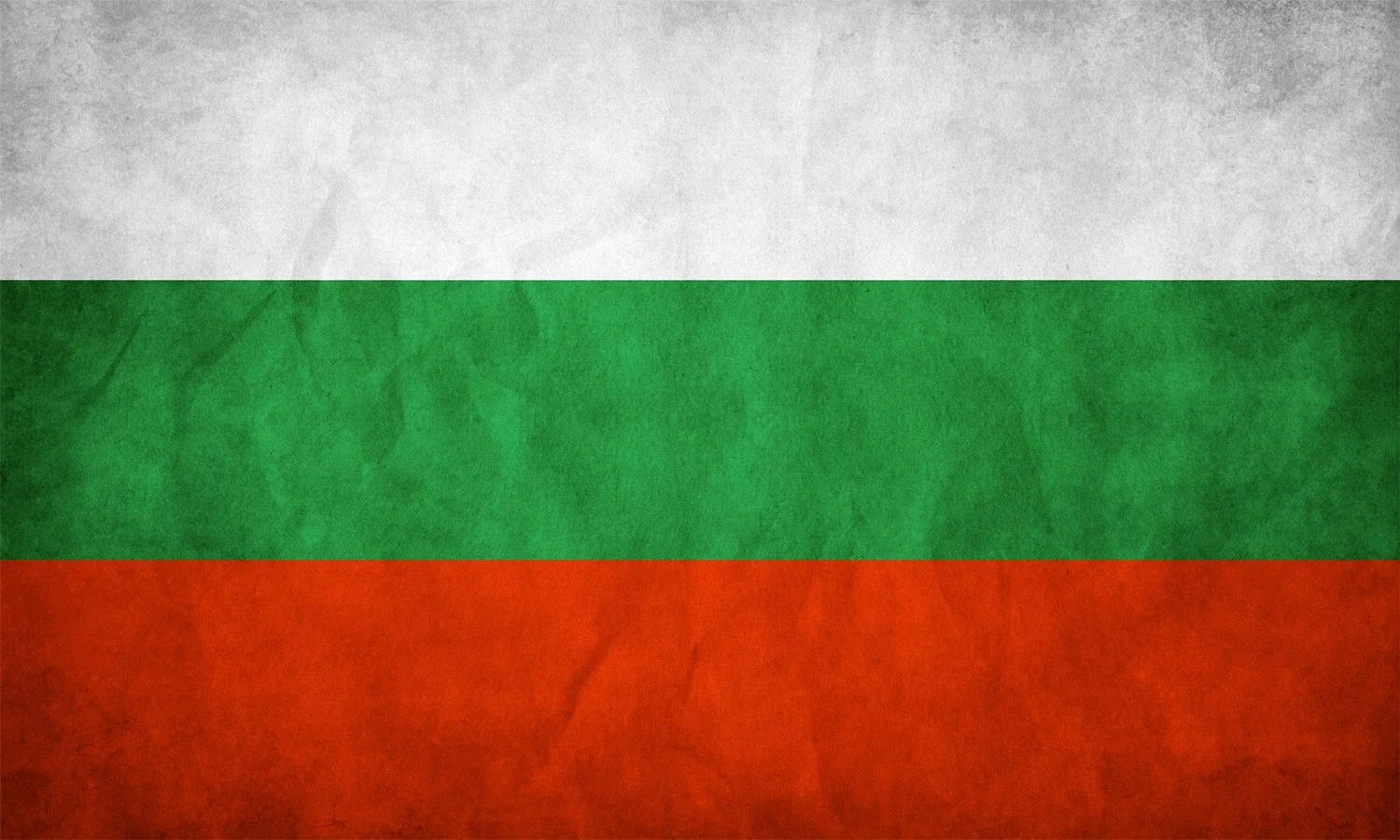
Bulgaria, a picturesque country located in Southeastern Europe, is often celebrated for its rich history, diverse landscapes, and cultural heritage. From rugged mountains and golden beaches to ancient cities and vibrant traditions, Bulgaria offers a unique blend of natural beauty and historical richness. It is a country that has passed through various eras, from ancient civilizations to its current position in the European Union, all the while preserving its distinctive cultural identity. Here are 35 interesting facts about Bulgaria that reflect its historical significance, natural beauty, and cultural contributions.
- Bulgaria is the oldest country in Europe that has not changed its name since its foundation in 681 AD.
- The Bulgarian army is the only army in the world that has never lost a single flag in battle.
- The Cyrillic alphabet, used today in many countries around the world, was developed during the First Bulgarian Empire in the 9th century.
- Bulgaria ranks third in Europe in terms of biodiversity, and is home to many rare and endemic species.
- It is home to the second highest diversity of mammals in Europe.
- Bulgaria is one of the world's largest producers of rose oil, which is vital for perfume production.
- The country's geographical location places it at the crossroads between Europe and Asia, influencing its diverse culture and history.
- Rila Monastery in Bulgaria is a UNESCO World Heritage Site and an iconic symbol of the Bulgarian Orthodox Church.
- The world's oldest gold treasure, dating back over 6,000 years, was discovered in the Varna necropolis.
- There are a total of 10 UNESCO World Heritage Sites in Bulgaria.
- It is home to the second oldest inhabited city in Europe, Plovdiv, founded around 6000 BC.
- Bulgarian yogurt, known for containing the unique bacteria Lactobacillus bulgaricus, is considered one of the best in the world.
- The Bulgarian army was the only Axis power in World War II that managed to save its entire Jewish population from the Nazis.
- Bulgaria is one of the world's largest producers and exporters of lavender.
- The country's population has one of the highest rates of natural increase and decline in the world.
- Bulgarian folk dances are an important part of the cultural heritage, with over 5,000 traditional dances.
- The Rose Valley, located near Kazanlak, hosts an annual Rose Festival to celebrate the rose-picking season.
- In 1937, Bulgaria introduced the electronic digital computer to the world thanks to John Atanasoff, a Bulgarian of American descent.
- The Bulgarian town of Bansko has become one of the most popular ski resorts in Europe.
- Kapka Kassabova's book, «Border: A Journey to the Edge of Europe,» explores the unique regions and history of Bulgaria's border areas.
- Bulgarian wines are gaining international recognition, and the country's climate is particularly favourable for viticulture.
- The country's traditional music is distinguished by its distinctive folk rhythms and harmonies.
- Bulgaria has one of the oldest Slavic populations in Europe: Slavs settled in this region as early as the 6th century.
- The country is one of the largest net exporters of agricultural products in the European Union.
- The Belogradchik Rocks are a group of bizarrely shaped sandstone and conglomerate rock formations that are one of the main tourist attractions.
- Bulgaria's population is one of the oldest in the world, with an average age of 43 years.
- The town of Melnik is famous for its unique architecture and winemaking.
- Bulgarian inventor John Vincent Atanasoff, together with his assistant Clifford Berry, created the first electronic digital computer.
- Sofia Mathematics High School has produced many world-class mathematicians.
- Traditional Bulgarian cuisine offers a variety of dishes influenced by Middle Eastern and Mediterranean flavors.
- Traditional Bulgarian costume varies greatly depending on the region, reflecting local customs and historical influences.
- The Cathedral of St. Alexander Nevsky in Sofia is one of the largest Eastern Orthodox cathedrals in the world.
- Bulgarian National Radio maintains one of the largest collections of folk music in Europe.
- The country has a temperate continental climate, which contributes to the flourishing of a variety of agricultural products.
- Pirin National Park, a UNESCO World Heritage Site, offers some of the most beautiful alpine scenery in Europe.
A rich blend of history, culture, and natural landscapes makes Bulgaria a fascinating country. From ancient gold treasures and spiritual traditions to its contributions to global culture and technology, Bulgaria is a unique example of achievement and natural beauty. These facts not only highlight the country's diversity but also highlight its role in the broader context of global heritage and innovation.