

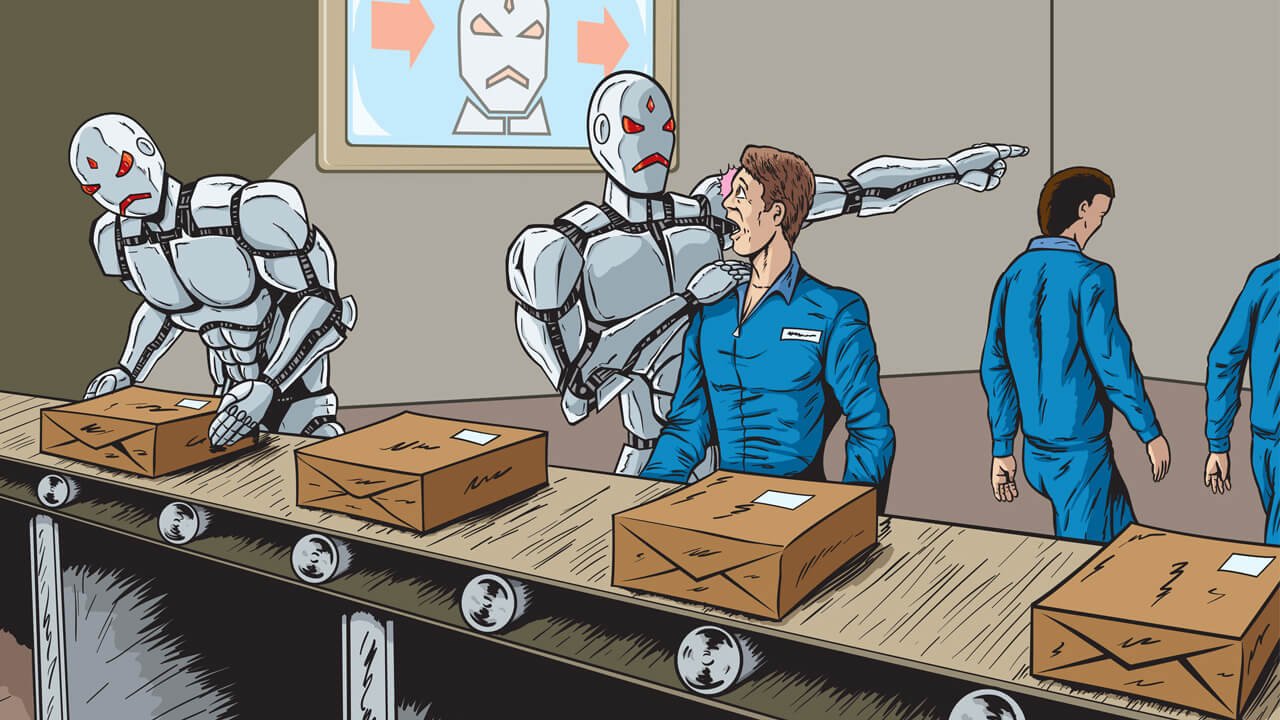
Artificial intelligence (AI) is opening up new possibilities in various areas of human life, from customer service and entertainment to education and even religion. The first wedding ceremony in the US state of Colorado has already taken place, with ChatGPT officiating.
However, the potential of artificial intelligence is not only exciting, but also terrifying. Here are seven reasons why we fear AI more than ever.
7. Fear of the unknown
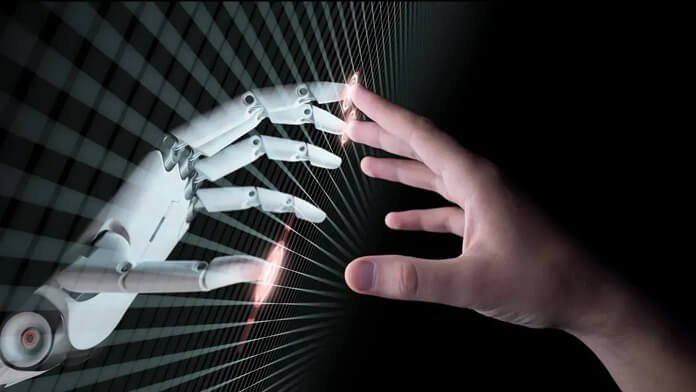
The rapid development of artificial intelligence is creating a perfect storm of human mistrust. If machine intelligence surpasses human intelligence, what will happen to humanity? And when will this happen? The truth is, we don't know the exact answers to these questions.
Some experts predict that artificial intelligence systems capable of outperforming humans could emerge within the next few decades, while others believe it may take longer.
6. Books and movies predict a bleak future for humanity due to AI
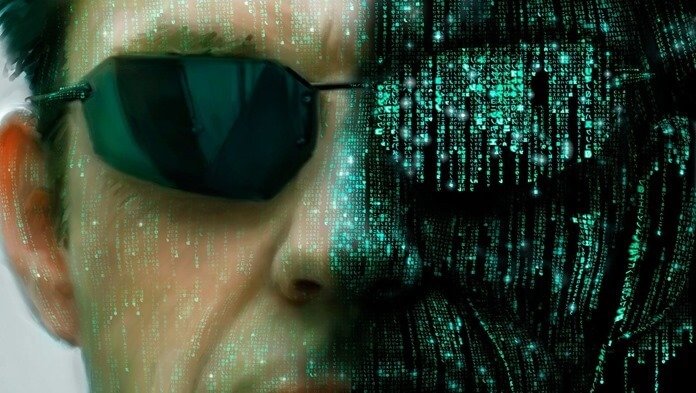
1968's "2001: A Space Odyssey" predicted tablet computers and voice-controlled artificial intelligence. Published in 1984, "Neuromancer" explored hacking, artificial intelligence, and the blending of reality and virtuality.
Films like "The Terminator," "Ex Machina," "Blade Runner," and "The Matrix" have successfully introduced the concept of malevolent AI into popular culture. Few films, however, depict a positive relationship between humans and artificial intelligence like "Bicentennial Man.".
5. Fear of losing your job
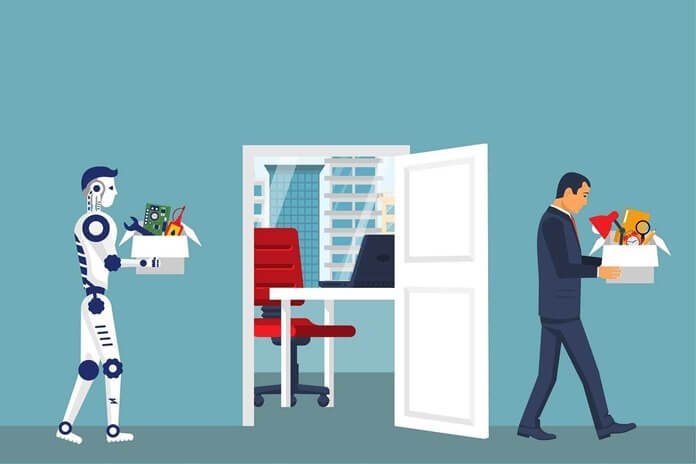
Could generative AI replace humans in some jobs? Quite possibly. Robots don't eat, sleep, or need breaks. The ability of machine intelligence to imitate human creativity and create useful content, such as paintings, music, or even articles, is raising concerns among professionals in these fields.
Furthermore, the automation of various tasks, such as customer service or text translation, further fuels concerns about the loss of specialists in these industries. For example, interacting with chatbots has already become commonplace before finally speaking to a real human customer support representative.
However, there is good news: the implementation of generative AI will allow people to focus on more complex and creative endeavors. History has shown that technological advances often lead to the creation of new industries and employment opportunities.
4. Many influencers don't trust AI
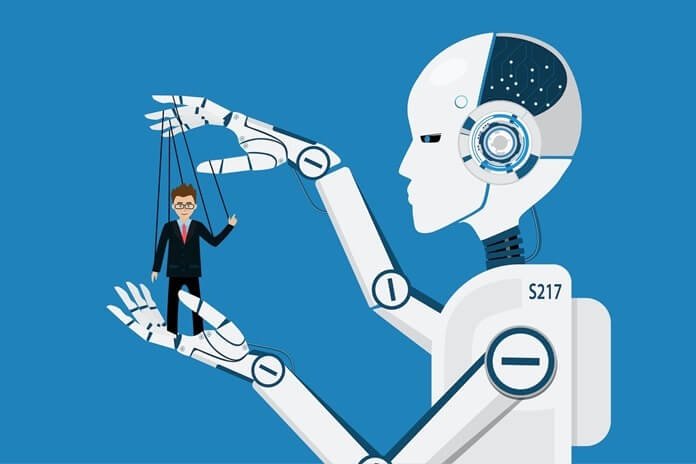
Many prominent IT experts, such as Bill Gates and Geoffrey Hinton (aka the "Godfather of AI"), have expressed concern about the development of machine intelligence.
Even Elon Musk, the man who wants to send colonists to Mars, is concerned about how well humans can control AI. He warned that artificial intelligence could pose an existential threat to humanity and believes preemptive safety measures are needed.
Likewise, Bill Gates emphasized the need for careful management of AI development to prevent unintended consequences.
Geoffrey Hinton, who recently resigned as a vice president at Google, said that in his job, he couldn't freely discuss the dangers of the technology he helped develop. Hinton believes the main threat posed by AI is its unpredictability.
3. Invasion of personal space

Voice assistants powered by generative AI, such as Alice, Siri, and Alexa, can eavesdrop on our conversations. For example, iOS 15 contained a bug that allowed Siri to automatically record all user interactions with the assistant. This data was sent to Apple servers. The bug was subsequently fixed in the second beta of iOS 15.4.
The collection and analysis of personal data using AI algorithms raises concerns about data breaches and unauthorized access, which could lead to theft of funds and other privacy risks.
As AI continues to evolve, robust regulations and privacy protections are needed to ensure people's right to privacy.
2. You can't hide from AI
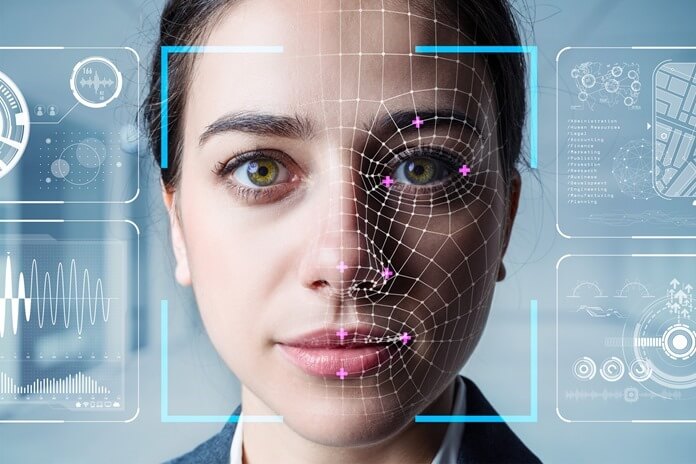
Machine intelligence's ability to recognize faces and analyze human behavior may not only violate our right to privacy.
If AI has the ability to control and track our every move, and can also predict how a person will behave in a given situation, this gives it a significant advantage over humans. And this realization makes many people (myself included) very uncomfortable.
1. Threat to human existence
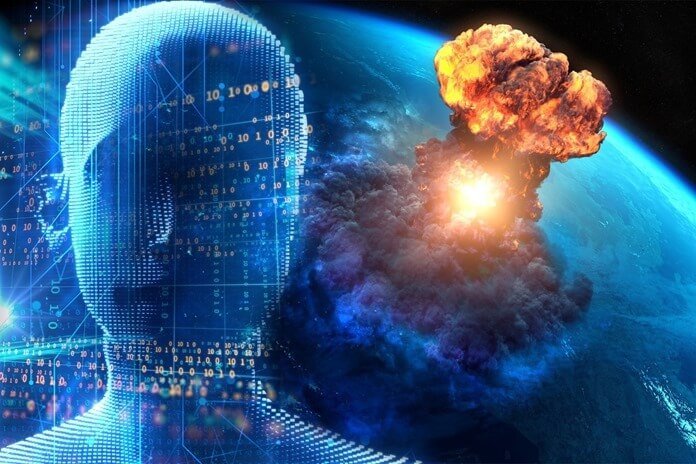
One of the main fears associated with the development of AI is that machine intelligence could pose a threat to human existence.
In May of this year, a slew of tech experts, researchers, scientists, and technology executives from tech corporations, including Microsoft, Google, OpenAI, and Deepmind, signed a public statement calling on world leaders to treat AI with the same caution they do other major threats to humanity.
It says: "«Reducing the risk of human extinction due to AI should be a global priority, alongside other societal risks such as pandemics and nuclear war.».
Predicting the future and the potential risks associated with advanced artificial intelligence systems is difficult. Will AI replace us? Is AI the natural evolution and future of humanity? When we're gone, will it remain? Time will tell.