

Most experienced drivers have a few stories about winter adventures with stalled engines, frozen doors, and the like. While sharing them with friends is certainly fun, reliving them is a real pain. To avoid turning winter driving into a survival quest, it's important to take proper care of your car. Below is a collection of the most relevant tips, prepared in collaboration with the auto parts brand Doda, which has earned the trust of Russian car owners for its high quality and affordable prices.
Checking the condition of the tires
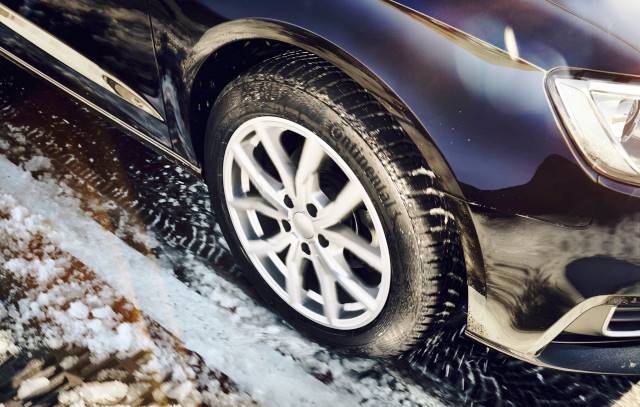
Slippery roads in winter are one of the main causes of accidents. Make sure your tires are suitable for the winter season. Ideally, replace them with winter tires. If you plan to drive with summer tires, check the tire pressure in each tire. A flat tire covers the tread, which in turn reduces traction. Consequently, the likelihood of skidding increases significantly. You can check your tire pressure at most gas stations, and inflate them for free or for a nominal fee.
Checking the battery
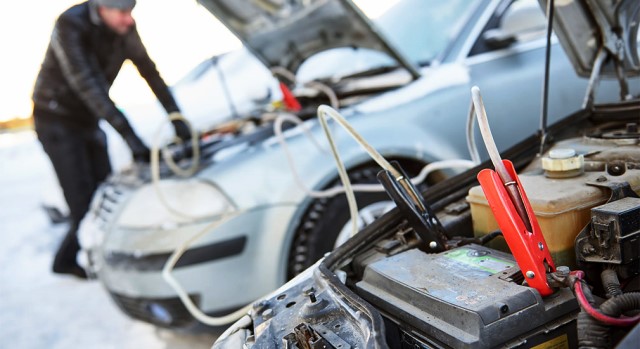
The typical battery life is 3-5 years, and scheduled replacement is best done before winter. If replacement isn't necessary, check the battery's condition and ensure it will function properly. This will eliminate ignition problems and the need to constantly jump-start the battery. Make sure all wires are intact and the terminals are not corroded. White deposits indicate that the terminals have been damaged by battery acid. You can clean them with baking soda and a toothbrush. It's also important to check the battery's fluid level.
Checking the oil viscosity

In winter, low temperatures cause car oil to thicken, which negatively impacts engine performance. This can be avoided by using low-viscosity oil—the appropriate type should be specified in the car's owner's manual. Most commonly, 5W or 0W oils are used for winter use.
Checking the water to antifreeze ratio in the engine

One-to-one is the optimal ratio of water to antifreeze in a radiator. A fluid in this ratio won't freeze even at -40°C (-40°F). Antifreeze also protects the engine from overheating and car parts from corrosion. There's no need to measure the water-to-antifreeze ratio yourself—pre-mixed antifreeze is available at most gas stations, auto parts stores, and hypermarkets.
Checking the heater
A properly functioning car heater is a matter not only of comfort but also of safety. Firstly, moisture condensation inside the car causes the windshield to fog up, reducing visibility. An internal windshield defroster helps solve this problem. If it works properly but the windshield continues to fog up, the problem may be with the sealing of the doors and windows – moist air can penetrate the interior and condense on the glass.

In most cases, heating problems are caused by a faulty heating coil. Replacing it is expensive, but it's a necessary measure if you value your comfort, safety, and health.
Check the condition of the windshield wipers and replace the washer fluid.

With the onset of cold weather, visibility on the roads becomes increasingly important. Therefore, it's important to check the condition of your windshield wipers and, if necessary, replace the rubber blades, which typically last between six months and a year.
It's also important to replace the water in your windshield wiper with antifreeze—it's available at most auto parts stores and hypermarkets for a very low price in anticipation of the winter season.
By preparing your car for winter, you will not only protect yourself from problems on the road, but also extend the life of your iron horse.