

The internet is a great resource, but one thing it lacks is guidance on what information to trust and what not. The internet, especially since COVID-19, is rife with medical misinformation, and it has spread widely through social media. Unfortunately, some of these medical misconceptions can be dangerous, and it's best to clarify them for everyone's safety.
10. The higher the percentage of medical alcohol, the better the disinfecting ability.

When the pandemic hit, stores quickly ran out of cleaning products and disinfectants of all kinds. Rubbing alcohol also became extremely difficult to find, as many people relied on it to disinfect surfaces against COVID-19. While it's good that people are taking antiviral precautions, some observers noted that when anything was left, it was usually a decent supply of 70% rubbing alcohol, with higher percentages generally unavailable. You might think this makes sense, as it sounds like a higher percentage of alcohol kills more viruses, but this is a common misconception.
The truth is, to disinfect common surfaces, you'll need 70% alcohol, not 90% or higher. This is because alcohol still needs some water to spread over the surface, and it needs some time to kill germs before it completely evaporates. However, this doesn't mean higher percentages don't still have their uses. They're often recommended for electronics, where you'd rather sacrifice cleaning power to use as little moisture as possible.
9. Once you receive an organ transplant, your problems will mostly be solved.

In movies, television, and every other form of media on the planet, a common plot involves someone needing a vital organ transplant. They may be last on the list, or they may have other issues that are holding them back. The drama of the story usually revolves around how they got the organ, after which we're led to believe they now live happily ever after. Unfortunately, while it would be wonderful if that were true (and perhaps someday it will be), it's not currently the case.
Unfortunately, the reality is that no matter how close the match, the transplanted organ will require you to take medications that suppress your immune system for the rest of your life. This is because your body will try to attack the new organ, thinking it's an invader. A «match» allows the drugs to suppress this, but doesn't eliminate the need for them. You may also develop a type of diabetes called diabetes mellitus because of the medications you have to take.
8. You can get the flu from the flu shot.

In fact, far fewer people get the flu shot each year than those who regularly receive immunizations and other vaccines. Some say it's primarily for the elderly, young children, or those with weakened immune systems. They'll say they'll cope just fine with a case of the flu, and that it might even cause a mild illness if necessary. They don't want to take that risk, so they avoid it. Some even claim the shot is largely ineffective and usually doesn't work.
However, most people's excuses are complete nonsense. First, you can't get the flu, even a mild case, from the flu vaccine. The flu virus in the vaccine is dead and can't suddenly come back to life. You may indeed experience mild symptoms, often associated with the flu, which can last for a few hours or days, which is why people are so confused.
As for the remaining misconceptions, we'll address them one by one. Everyone six months and older should get a flu shot; the loss of productivity due to the flu is far worse than some vaccine side effects; and while it may not work, each year the vaccine targets the flu strain expected to be the most problematic that season.
7. You can suck the poison out of the wound

A popular trope in fiction is that of an old, poisonous wound from which someone tries to suck the venom out to save the sick person. This goes back, for example, to the Sherlock Holmes stories, where it's used for the plot of the mistaken vampire. It also likely goes back much further. It's an incredibly common trope, that's what we're saying.
This has become so prevalent in popular culture that many people consider it gross and frightening, but it's also real and extremely necessary. There are even devices for extracting poison from a wound, and many would be surprised to find such devices being sold even though they don't actually work.
However, the truth is that most animal venom doesn't act as quickly as movies might lead you to believe, and surprisingly few people die from venomous animals each year. What you really need to do is get victims to the hospital as quickly as possible and administer antivenom. Sucking the venom out of a wound won't allow it to escape faster than the body can pump it through the bloodstream, and you can be poisoned if you have a cut in your mouth. As for extractor pumps, scientific studies have proven them ineffective.
6. Getting adrenaline into someone's heart is perfect for an opioid overdose.
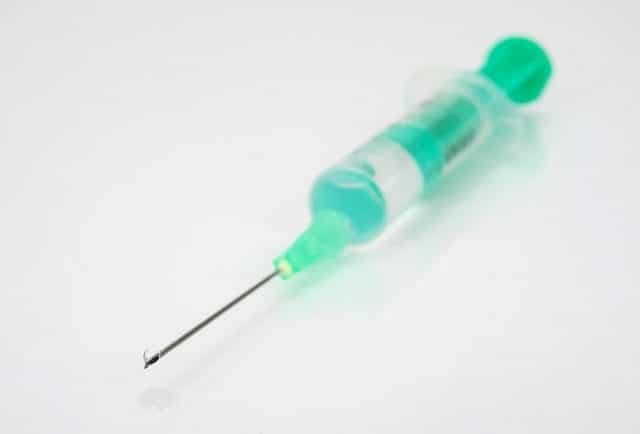
«Pulp Fiction» "The Last Jedi" is a classic film, and anyone who has seen it will remember the scene where John Travolta races to his drug dealer, Uma Thurman, who is overdosing, and then dramatically stabs her in the heart with an adrenaline-laced needle. Not only does he stab her in the heart, but he also doesn't have to press the plunger, presumably because pushing it through the heart makes everything happen much faster.
Unfortunately, while the scene is funny, almost everything about it is wrong. While an injection into the heart, known as an intracardiac injection, is sometimes necessary, there's no reason to believe it would be necessary in this case. It's also administered slowly and carefully through the chest by a trained medical professional. If you were using an epinephrine needle, you'd typically use the thigh. However, in this case, you wouldn't want to use epinephrine at all, as Uma's character has overdosed on opioids. You'd want to use Narcan, which is often available as a nasal spray these days, making it much easier to administer. If you want to speed things up, you should follow up with CPR.
5. Glasses - magic glasses that solve all eye problems

Vision problems are common worldwide, and virtually everyone either wears glasses or knows someone who does. For the most part, people understand what glasses can and cannot do; however, this doesn't necessarily mean everyone understands vision problems. Some people are confused when they meet someone who is not completely blind but doesn't wear glasses to improve their vision. There is a common misconception that glasses can solve all (or most) vision problems except blindness, as well as a general misunderstanding of what it means to be «legally» blind.
Unfortunately, the truth is that many people with extremely poor vision have problems that glasses simply can't help, and for the most part, science can do little to alleviate these problems. These include things like age-related macular degeneration, diabetic retinopathy, sun damage, any nerve damage, and much more. Scientists are trying to find ways to help these people, but most of it is highly experimental.
As for legal blindness, it's easiest to compare it to a normal sighted person. Someone with normal vision can see an object 200 feet away, well... 200 feet away. Seems pretty obvious, right? Well, to see the same object, a blind person would need to be 20 feet away.
4. Feed the cold, starve the fever

This is an old proverb, dating back to John Wheatall's dictionary of 1574. Like many folk sayings, in some regions it became part of the culture, passed down from parents to children. Some people still take this saying seriously, and most, even those ignorant of medical science, believe there must be some basis for it. After all, a cold is a mild bacterial infection, while the flu is a virus, so it makes sense to treat them differently, right?
Well, maybe in some ways, but not in this particular case. The truth is, there's absolutely no scientific justification for starving someone with a fever or any virus. Whether it's a cold, a fever, a broken leg, or any other medical issue, it's crucial that the person be well-fed, rested, and hydrated. So, if you're trying to remember how this phrase should sound, it's: «Feed the cold, feed the fever.».
3. If you get to the hospital by ambulance, you will be admitted faster.

Some people, hoping to get to the hospital faster, call an ambulance when they have other options. While this may seem selfish, most people aren't thinking clearly when they're in crisis and worried about their lives or the lives of their loved ones. They're simply trying to get medical attention in a bad situation. However, this doesn't mean it doesn't cause problems or cause significant frustration among medical staff.
The fact is, this popular idea is completely wrong and represents a complete misconception about how the medical system works. The purpose of an ambulance is to transport someone who has no other way to get there or who needs some kind of life-saving care en route to the hospital. No matter how you arrive, you'll be treated as needed. This is called triage. It can also cause problems for others, as it can tie up important resources that others may need. The point is, if you can get to the hospital safely by other means and know you'll make it on time, you won't need an ambulance.
2. Defibrillators are magic electrodes for restarting the heart

Medical dramas probably use this image more than any other in their book. We all know the scene so well that we can recall it from memory. A man fails, and there's only one thing left to do: remove the defibrillator paddles. Someone yells, «Okay,» we hear the rushing sound of electricity, and the paddles press against the man's chest. This repeats until they wake up. The doctor might throw in a few lines like, «Damn it, you're not dying on me!» for added dramatic effect.
While these scenes make for great dramatic television, they're not entirely grounded in reality. A 2014 study of dozens of resuscitation scenes from films and television found numerous problems across the board. Overall, they found that the whole thing represents a missed opportunity to educate the public. For this reason, defibrillator paddles are often misunderstood, but they're not magic paddles for restarting the heart. If someone's heart rhythm is abnormal, they can return it to normal, but they won't restart a truly stopped heart.
1. You need to put something in the mouth of the person grabbing you so that he doesn’t bite off his tongue.

Seizures are also a fairly common medical condition, and they also create a lot of drama on your favorite doctor shows. Looking at you, ambulance и House. Sometimes people even try to force something between the grabber's teeth without biting off their fingers, to protect the victim from potentially having their tongue bitten off. This is a common misconception, and it's important to know not to do this if you ever find yourself in a grabbing situation.
If someone is having a seizure, one of the most important things is to keep their airway clear. This means avoiding any actions that could interfere with their breathing, such as putting anything in their mouth. Also, avoid biting their tongue, although biting it can be painful and cause a nasty ulcer, which can be disconcerting. In fact Your focus, beyond clearing their airway, should be making sure they don't have anything they could injure themselves on, timing the attack, and calling for medical help if needed.