

Cooking and baking today is quick, easy, and convenient. You can find the right equipment or tool, as well as instructions and recipes for making a dish or drink at home. However, in the past, before modern methods, many people had to work much harder to obtain the necessary ingredients and kitchen utensils. They had to be more creative in their cooking, sometimes using methods we wouldn't even consider today. Because of the need for different processes, and because they were part of a past culture, their tastes were often quite different from what they are today.
10. Hot chocolate used to be unsweetened and tasted like coffee.
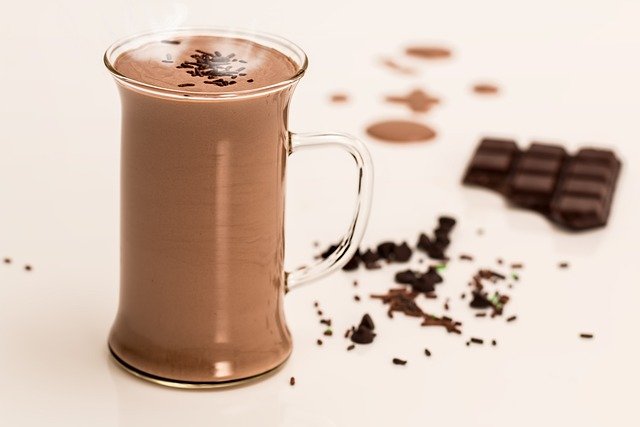
During the time of the Aztecs and Mayans, they invented the drink we now know as hot chocolate, but it was very different from the sweet milky drink we're accustomed to today. This made it much fresher, but also meant it contained more caffeine. This, of course, meant that the ancient Aztecs and Mayans figured out how to use this drink as a stimulant, like coffee or tea. This was likely aided by the fact that chocolate naturally contains another stimulant called theobromine.
Another thing we'd find odd, besides the more concentrated, fresh chocolate flavor and extreme energy boost, is that they used very little, if any, sweetener. Sometimes they'd add a little honey to offset the bitterness, but they often omitted it entirely, which many of us would find difficult to drink today. They certainly also used spices, as you can see in Mexican versions of hot chocolate today, though most of them use far more sweetener than their ancestors.
9. The wine was more acidic and heavily diluted.

Long before modern refrigeration, especially during the time of Ancient Rome, wine was drunk very differently. Many considered the idea of drinking wine early in the day and getting drunk to be rude. They also considered those who drank wine without water to cut it barbaric, literally. They diluted their wine with water, and sometimes even seawater, to reduce its alcohol content and make it more palatable.
It was this last part that likely motivated the Romans to dilute their wine with water, not just because of their claims of drunkenness and the normal need for safe drinking water. The problem was that before the advent of modern preservation methods, Roman wine spoiled very quickly. It was typically only good on its own for the first month after harvest. After that, they mixed it with honey, myrrh, ash, spices, and many other things to try to make it more drinkable—they even sometimes added lead, hoping to balance the acidity.
8. Prehistoric bread was not like today's.

While our ancient ancestors were still figuring things out, there's now evidence that people were baking bread as far back as 14,000 years ago. Researchers from the University of Copenhagen examined a site in Jordan and discovered incredibly ancient bread crumbs. The bread was made from oats, barley, einkorn, and papyrus fibers. The bread wasn't leavened, but it provided the researchers with fascinating insights into ancient life.
People identified as Natufians may have grown grain for use in bread, and if true, this could indicate that people had a different approach to the transition from hunter-gatherers to farmers than some previously thought. They believe this may indicate that the desire to eat bread after its initial discovery from wild grains may have actually driven people to begin settling down and farming, because it was such a desirable food.
7. Large amounts of sugar in foods appeared quite recently.

During colonial times, the average American consumed about six pounds of sugar per year; today, the average American consumes about 130 pounds of sugar per year. This sugar consumption, according to some experts, may lead to obesity or at least be a risk factor, although it's difficult to say for sure. One thing is certain: there are a number of health risks associated with consuming too much sugar, and the May Clinic recognizes added sugar as one of the biggest health threats most people don't think about.
Now, if you think about it, sugar consumption has increased by over 2,000% since the country's founding. Some might wonder where it all went wrong, and the answer lies in the rise of certain types of farming. Sugar beets became a common crop, and then, in 1876, the United States signed a treaty with Hawaii, giving them greater access to sugarcane. After that, the obsession faded, and given that domestic corn cultivation allowed for the production of cheap high-fructose corn syrup, the rest was an extremely unhealthy story.
6. Salted meat and salted fish were incredibly common
Even before the advent of modern refrigeration and preservatives, salted meat and fish were staples in many pantries. Salting was essential to preserving meat and fish long enough to avoid wasting them. Along with smoked foods, salted meats helped ensure that humans lived long enough to survive today.
While preservation methods may have varied, for example in Ireland, where seaweed ash was used instead of regular salt, the methods needed to make meat edible were the same. Salted meat or fish had to be soaked in water overnight to cook it, then served without salt poisoning. Any excess salt water left over could be used in stews, soups, or other similar dishes.
5. Beer was low in alcohol and considered a nutritious drink.

Some people think that in ancient times, everyone drank beer constantly because it was the only way to keep water safe. However, the truth is that evidence suggests this is not the case. Many ancient cultures frowned upon certain members of their society, especially women, who drank at all, and most cultures did have access to relatively fresh drinking water. However, the truth is that, as with most things, rumors have their roots in the first place.
People did indeed often drink weaker beer, sometimes called "small beer," especially during the Middle Ages and other periods of ancient culture, but they didn't do so to have safe drinking water, which they couldn't get drunk on. The main reason most people drank this substance was because it was considered a more calorie-dense and more nutritious alternative to water. It provided farmers and workers with carbohydrates and energy, but didn't actually intoxicate them, as it had little alcohol.
4. Cheesecake was invented in Ancient Greece and was completely different

For most people, cheesecake was invented in New York City, and the cream cheese needed to make it was invented in Philadelphia less than a hundred years ago. However, while the modern take on cheesecake is fairly new for obvious reasons, as it includes cream cheese, the idea of cheesecake dates back to the ancient Greeks. At one time, cheesecake was made from flour, eggs, ricotta, honey, and sometimes lavender. It was often served in a small pastry shell.
Today, of course, we use eggs, cream cheese, sugar, vanilla, and sometimes flavorings. If we're making a no-bake cheesecake, we can even use gelatin instead of eggs. In Japan, cheesecakes are made with very little cheese and lots of egg whites. While our modern recipes are quite different, that doesn't mean ancient recipes are unavailable. With a little creativity, food bloggers have recreated ancient goat cheeses and honey cakes made by the ancient Greeks and found reviews from those who have tried them. They're supposed to be quite delicious.
3. Rose water was used to flavor baked goods instead of vanilla.
While today's neutral baked goods are flavored with vanilla, until about the early 19th century, rosewater was actually the flavoring of choice for most people's baked goods. Many today would find the very concept rather unappealing. Most Westerners today don't have a particular taste for floral fragrances, but they were once very popular.
While it may seem strange to us, floral flavorings have been used in baking and cooking for many years and across many cultures; they're just not very popular in modern Western cooking. Floral flavors like rosewater can still be found in delicacies like Turkish delight, which features in «The Lion, the Witch and the Wardrobe» like a treat so good that a teenager literally betrays his siblings to the devil to get some.
2. Fruits and nuts in baked goods were a luxury

Today, most people consider fruitcake rather disgusting. However, it used to be quite the opposite. Even before the Industrial Revolution and the advent of so many food processing and preservation techniques, fruitcake was considered the height of decadence. In the old days, holiday desserts often featured as many nuts and fruits as possible. It was a way to show off how much you could indulge, even if only occasionally, and a way to feel rich and enjoying the finer things in life.
Today, everything has become so closed, and we simply don't understand it. Johnny Carson even joked that he thought there was only one fruit pie, with the same stale thing being passed down year after year. The meaning of all these fruits and nuts and their decline eludes us. With modern refrigeration and processing, eating several nuts at once is no longer so luxurious. Because of this, people's taste for this type of dessert has faded over time. However, you can still see remnants of it in desserts like carrot cake, where raisins and nuts are often still recommended.
1. Homemade baking appeared relatively recently.

Today, anyone can easily become a home baker, and during the pandemic, many have tried their hand and even learned how to make their own sourdough starter. However, in the past, much of this was much more difficult and, for many, nearly impossible. In colonial times, many people did have sourdough starters, which they used to make their own cookies and pancakes, but making everything accurately was difficult, and bread was more difficult to bake. They used brick ovens shaped like beehives, which regulated the temperature only by pre-burning the right amount of ash and then releasing the air or adding more ash as needed.
Bread was considered such a vital part of life that everyone, from soldiers to townspeople, considered it a crucial part of a balanced diet, and quartermasters were required to build ovens at any long-term base for bread baking. Gas stoves began to appear in the late 1800s, and electric stoves became commonplace in the 1900s. However, it wasn't until World War II that active dry yeast was invented that simple home baking truly became the norm in most countries.